
Maryland's New ADU Law Could Open New Options for Homeowners
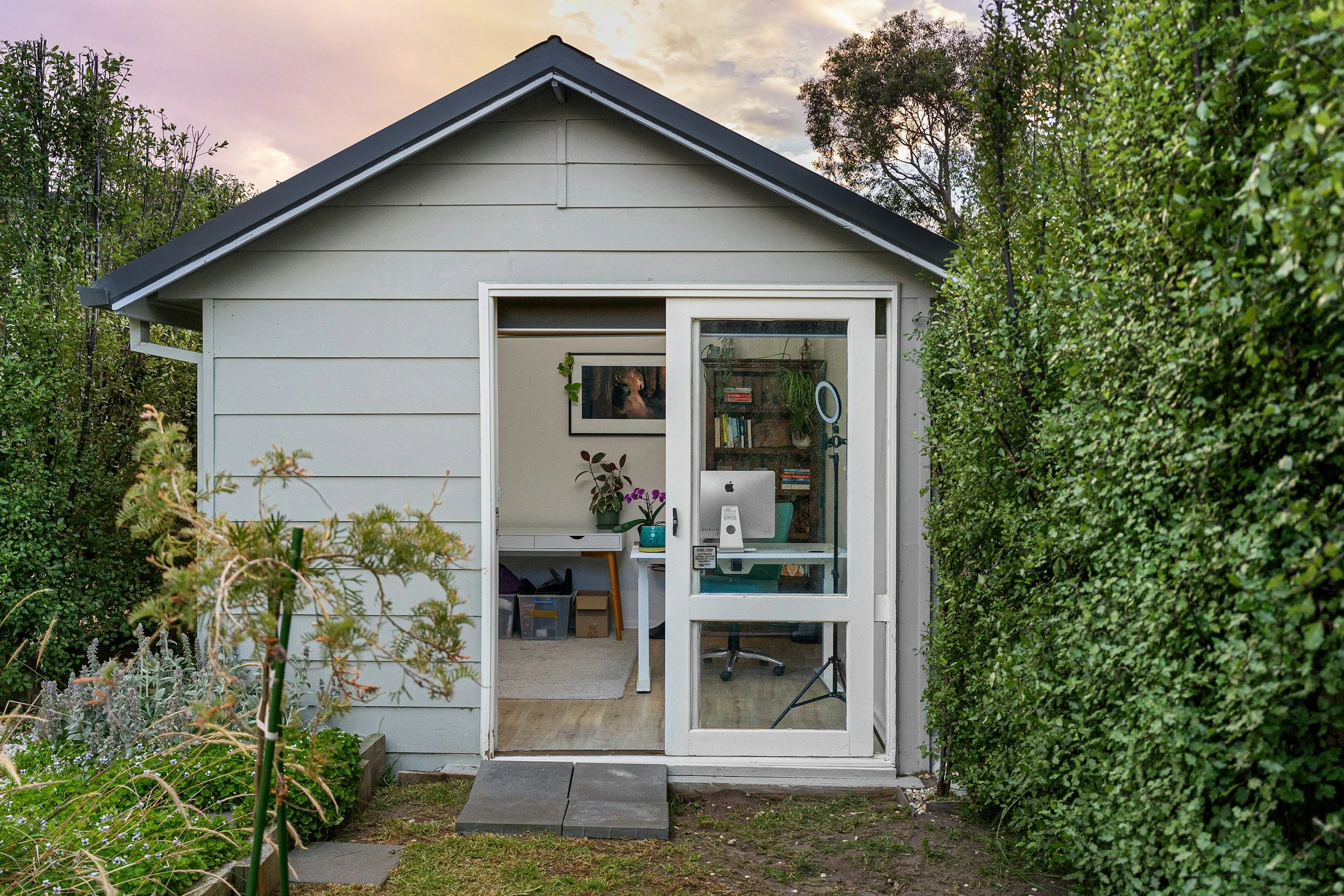
Maryland homeowners may soon have more flexibility to turn part of their property into a separate living space and, in some cases, a new source of rental income. A new Maryland law requires counties and municipalities across the state to allow accessory dwelling units, commonly called ADUs, under local zoning rules beginning October 1, 2026.
For homeowners, this is a significant change. ADUs have been restricted or difficult to build in many communities, but the new statewide rules are designed to make them a more realistic option.
What Is an ADU?
An accessory dwelling unit is essentially a smaller, independent home located on the same property as a primary residence. It has its own living space and can take several different forms depending on the property.
It could be a finished basement converted into an apartment, space above or inside a garage, an addition to the existing home, or a detached cottage in the backyard. That flexibility is part of what makes ADUs interesting. A homeowner doesn't necessarily need a huge piece of land or room for an entirely separate house to take advantage of the new rules.
What Maryland's New Law Changes
One of the biggest changes is that local governments will have to allow ADUs rather than simply prohibiting them through zoning.
The law also sets some statewide parameters around what local jurisdictions and homeowners associations can restrict. In general, an ADU can be as large as 75% of the gross floor area of the primary home, subject to the law's other limitations and local requirements.
The law also limits the ability of HOAs and similar associations to adopt rules that effectively prevent homeowners from creating or using an otherwise permitted ADU. That doesn't mean every homeowner in Maryland can start building a backyard cottage tomorrow, though.
There Will Still Be Local Rules
Counties and municipalities will still have an important role in determining exactly how ADUs are approved and built. Homeowners will need to comply with applicable zoning, building codes, fire-safety requirements and permitting. Depending on the property, water, sewer and septic capacity could also affect whether an ADU is practical.
In other words, the state is opening the door to ADUs, but the details of what you can build — and what it will take to get approved — will still depend heavily on where your property is located. Before spending money on plans or construction, you'll want to understand the rules for your specific property.
Why This Could Matter for Homeowners
The rental-income potential will probably get a lot of attention, and understandably so. For some homeowners, an ADU could create an opportunity to generate monthly income from property they already own. But rental income is only one possible use.
An ADU could give an adult child a more affordable place to live while maintaining some independence. It could provide private space for aging parents who want to be close to family without living in the same household. It could also give homeowners more flexibility as their own needs change over time.
And from a real estate perspective, that's where this gets particularly interesting.
A property with the ability to accommodate a legal ADU may appeal to buyers differently than it did before. Buyers may begin looking at basements, garages and larger lots not just for what they are today, but for what they could potentially become.
That doesn't automatically mean adding an ADU will increase a home's value dollar-for-dollar with the cost of construction. As with any major improvement, location, demand, construction costs, rental potential and the quality of the finished space will all matter. But it does give Maryland homeowners another option that wasn't always available before.
Thinking About an ADU? Start With the Property
If you've considered adding a basement apartment, converting a garage or creating a separate space for family, this is a good time to start researching what's possible.
The first question shouldn't necessarily be, "How much could I rent it for?" It should be, "What can I legally and practically do with this particular property?" From there, you can start looking at permitting, construction costs, utilities, potential rental income and how an ADU could affect the property's overall value.
Maryland's new law doesn't make every property an ADU property overnight. But for many homeowners, it could create options that weren't realistically available before, and that's worth paying attention to.