
Could 3D-Printed Homes Be Part of the Future of Housing?
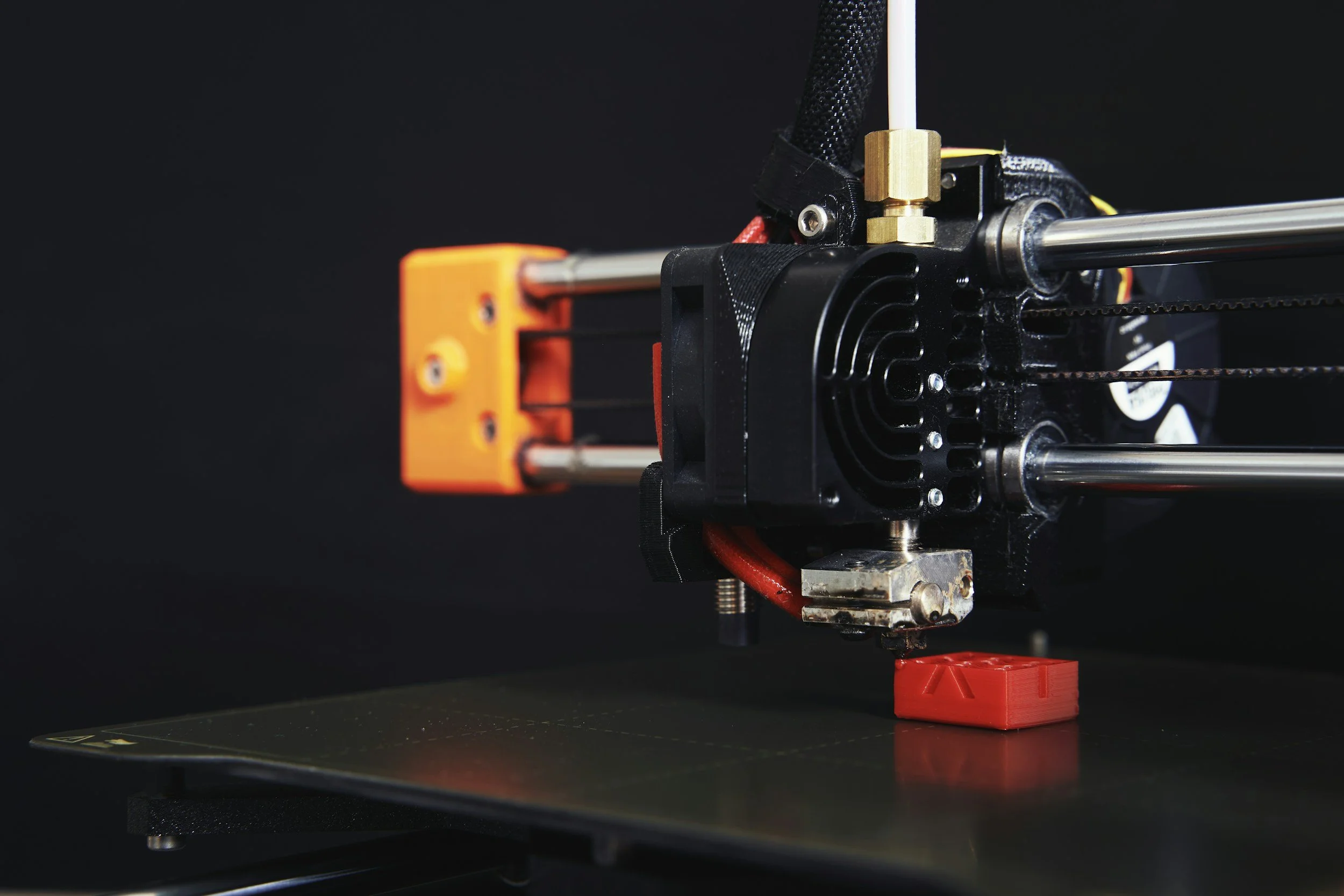
What if part of the future of housing isn’t built the way we’ve always built it? What if it’s printed?
3D-printed homes have been getting attention for years, but one of the biggest hurdles hasn’t necessarily been whether we can build them. It’s been everything that comes after that, especially financing.
Traditional lenders have understandably been cautious about a relatively new construction method. There are fewer comparable sales, less history showing how these homes perform over decades, and questions about resale value and the secondary mortgage market.
But that may be starting to change.
A Major Lender Stepped In
Earlier this summer, Wells Fargo announced that it had become a preferred mortgage lender for ICON, one of the biggest names in 3D-printed construction. Qualified buyers purchasing ICON homes and financing through Wells Fargo can also receive a 50-basis-point lender credit.
That might sound like a small development, but it's actually a pretty important step.
One of the biggest things any new type of housing needs in order to become mainstream is access to traditional financing. It's one thing to prove you can build a house differently. It's another to have a major mortgage lender willing to finance buyers purchasing those homes.
And These Aren't Just Prototype Homes
This technology has already moved beyond building one experimental house at a time. ICON partnered with Lennar on a 100-home community in Georgetown, Texas, called the Genesis Collection at Wolf Ranch. The community was completed in 2025, making it one of the largest real-world examples of 3D-printed residential construction to date.
The homes don't look like giant plastic objects coming out of a printer, either.
Large-scale robotic printers create portions of the home's wall system layer by layer using a specialized cement-based material. The rest of the home still includes many of the things you'd expect from conventional construction, roofing, windows, doors, electrical, plumbing and finishes.
Could This Help With Housing Affordability?
That's where this gets really interesting. Housing affordability isn't just about mortgage rates. It's also about how much it costs to build a home in the first place.
Land is expensive. Materials are expensive. Skilled labor is expensive. And building a traditional home takes time. Robotic construction has the potential to reduce some labor requirements, decrease construction waste and make parts of the building process faster and more repeatable.
That doesn't mean we're suddenly going to start printing $150,000 houses everywhere. Land costs, permitting, infrastructure, financing and all the other expenses involved in development don't disappear just because the walls are built differently. But if technology can bring down even one portion of the cost of creating new housing, that's worth paying attention to.
There Are Still Questions
3D-printed homes are nowhere near replacing traditional construction. There are still questions about how quickly the technology can scale, how appraisers will handle these properties as they become more common, how resale values will perform over the long term and how readily other lenders and insurers will embrace them.
But Wells Fargo entering the space removes one of the hurdles that has made broader adoption difficult. And that's probably the bigger story here. The interesting part isn't simply that we can print a house. We've known that for a while. It's that some of the traditional systems surrounding homeownership are beginning to catch up with the technology.
If more lenders follow, more builders experiment with it and buyers become comfortable owning these homes, 3D printing could eventually become another tool builders use to create much-needed housing.
Would you buy a 3D-printed home? Five years ago, that question probably sounded like science fiction. Today, it's a legitimate home-buying decision some people are already making.